

Emma Hanegraef
Emma holds a MSc in Cellular and Genetic Engineering and has been passionate about the science behind skincare and health since the age of 12. As an experienced formulator, she translates complex scientific concepts into accessible knowledge, helping you make informed choices about your formulas.
People who live the longest do not follow a single miracle diet. They eat patterns. Across the parts of the world where healthy people reach 90 and 100 in unusual numbers, the same foods keep showing up on the plate. Plants take the lead. Fish appears often. Whole ingredients beat processed ones. And a handful of deeply coloured foods carry compounds that protect cells as we age.
This guide covers the top 11 longevity foods worth eating on a regular basis. Each one is backed by nutrition research, not hype. We explain what the food does, why it supports healthy aging, and how to add it to your week. We saved the most interesting entry for last, because it is less a food and more a molecule that gives some of the others their colour.
A quick note before we start. No single food adds years to your life on its own. Longevity comes from the whole diet, movement, sleep, and social connection working together. Think of this list as a shopping guide for the foods that give you the best return.
What makes a food a longevity food?
A longevity food earns its place through a few shared traits.
It is rich in antioxidants. Aging is driven in part by oxidative stress, the slow damage that happens when unstable molecules called free radicals outnumber the body's defences. Foods high in antioxidants help keep that balance in check.
It fights chronic inflammation. Low grade inflammation sits behind many age related conditions. The best longevity foods calm that background noise rather than feed it.
It is nutrient dense, not calorie dense. You get vitamins, minerals, fibre, and plant compounds without a heavy energy load. That combination supports a healthy weight and steady metabolism.
It feeds the gut. A diverse gut microbiome is now linked to healthy aging, immune strength, and even mood. Fibre rich and fermented foods do the heavy lifting here.
Keep those four traits in mind and the list below makes sense. Every food that follows checks at least two of these boxes, and the strongest entries check all four.
1. Leafy greens
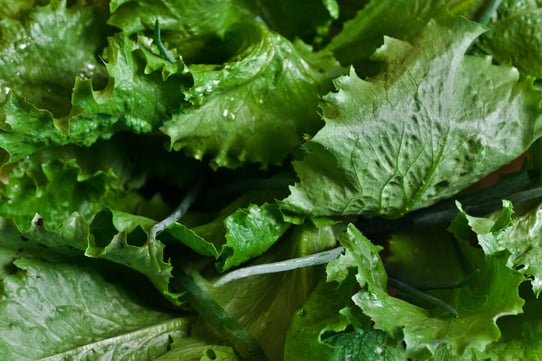
Dark leafy greens are the closest thing to a free lunch in nutrition. Spinach, kale, Swiss chard, and rocket deliver a large dose of vitamins A, C, and K, folate, and minerals for almost no calories.
Their longevity value comes from two directions. First, they carry lutein and zeaxanthin, two carotenoids that gather in the eye and the brain. Research associates higher intake of these compounds with better long term eye function and sharper thinking in older adults. Second, leafy greens are high in dietary nitrates, which the body converts into nitric oxide. Nitric oxide relaxes blood vessels and supports healthy blood flow, which matters more with every passing decade.
One large study found that adults who ate roughly one serving of leafy greens a day had the cognitive profile of people more than a decade younger. That is a striking result for a food you can buy for pocket change.
How to eat more. Add a handful of spinach to a morning smoothie where you will not taste it. Build salads on a rocket or kale base. Wilt greens into soups, pasta, and eggs at the end of cooking so they keep their nutrients.
2. Berries
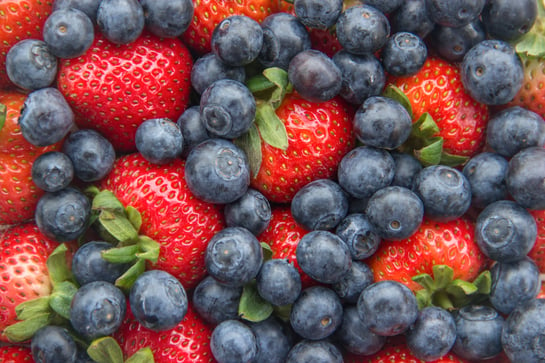
Berries are small packages of colour, and the colour is the point. Blueberries, blackberries, raspberries, and strawberries owe their deep tones to anthocyanins, a class of polyphenol with strong antioxidant activity.
The research on berries and aging is some of the most consistent in the field. Studies link regular berry intake with slower cognitive decline, better memory, and healthier blood vessels. In one long running study of older women, those who ate the most blueberries and strawberries delayed measurable memory aging by up to two and a half years compared with those who ate the least.
Berries also rank high for fibre and low for sugar, which makes them a rare sweet food that supports steady blood sugar rather than spiking it.
How to eat more. Frozen berries hold their nutrients and cost less than fresh, so keep a bag in the freezer. Stir them into yoghurt, oats, or a smoothie. Aim for at least three servings a week to match the intake seen in the research.
3. Extra virgin olive oil
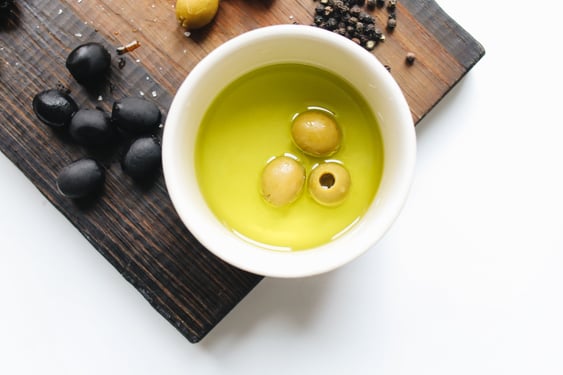
Extra virgin olive oil is the fat at the heart of the Mediterranean diet, one of the most studied eating patterns for long life. It is not just a cooking oil. It is a source of monounsaturated fat and a group of polyphenols that act on the body in real ways.
One of those polyphenols, oleocanthal, produces a mild peppery bite at the back of the throat. That same compound has anti inflammatory activity in the body. Higher olive oil intake is associated with better heart health, healthier blood vessels, and lower overall mortality in large population studies.
The quality matters. Extra virgin oil is cold pressed and keeps its polyphenols. Refined or light olive oil loses most of them. Look for a harvest date, a dark bottle, and a peppery taste.
How to eat more. Use it as your default cooking and dressing fat. Drizzle it raw over cooked vegetables, soup, and bread to keep the delicate compounds intact. Two to four tablespoons a day is the range seen in Mediterranean diet research.
4. Fatty fish
Wild salmon, sardines, mackerel, herring, and anchovies are the richest common sources of long chain omega 3 fatty acids, EPA and DHA. These fats support the heart, the brain, and the eyes, and they help lower the inflammatory signals that rise with age.
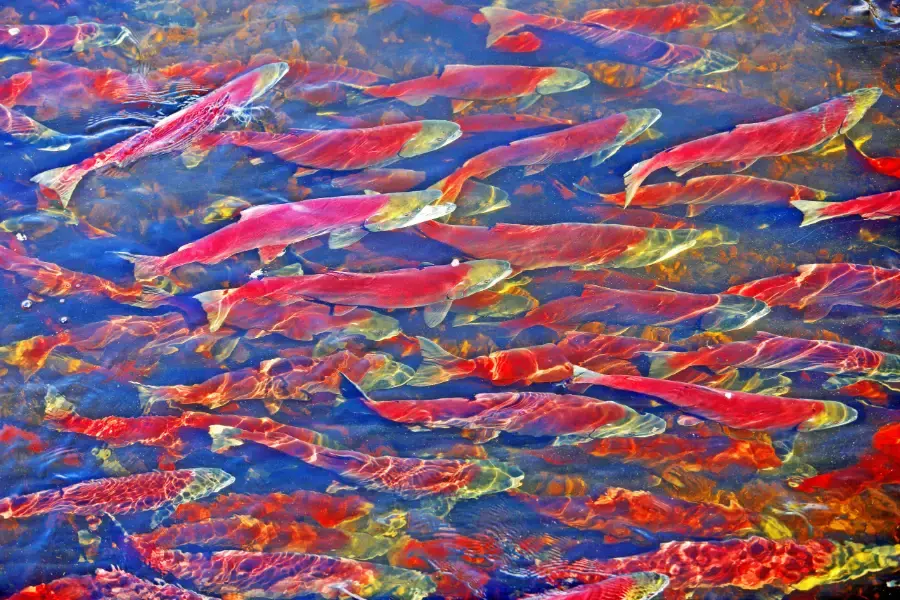
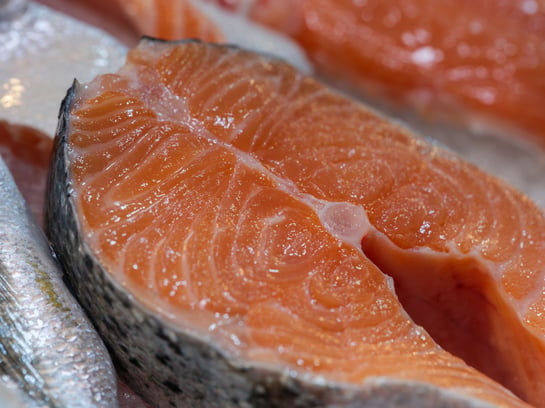
Fatty fish also carries something you can see. Wild salmon flesh is pink for a reason. The fish eats krill and microalgae that contain a red antioxidant, and that pigment builds up in the muscle and gives it colour. That pigment is astaxanthin, the molecule we return to at the end of this list. If you want the full story on where it comes from and what it does, read our guide to what astaxanthin is and why it matters.
Population studies consistently link two or more servings of fatty fish a week with better heart and brain aging. The effect is strong enough that many national dietary guidelines now recommend it by name.
How to eat more. Tinned sardines and mackerel are cheap, shelf stable, and every bit as rich in omega 3 as fresh fillets. Eat them on toast, in salads, or straight from the tin. Choose wild caught salmon where you can.
5. Nuts and seeds
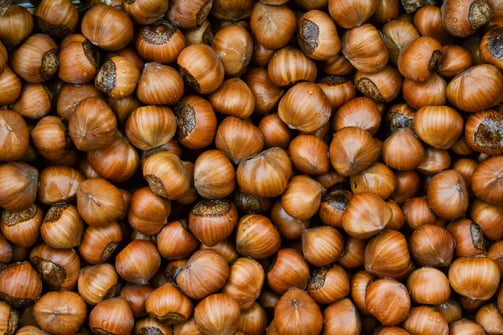
Nuts had an image problem for years because they are high in fat and calories. The research has since cleared their name. People who eat a small handful of nuts most days tend to live longer and carry less body fat, not more.
Walnuts stand out for their plant based omega 3 content. Almonds bring vitamin E and magnesium. Flaxseeds and chia seeds add fibre and lignans. Across the board, nuts and seeds deliver healthy fats, plant protein, and minerals that many diets fall short on.
The fibre and fat in nuts also slow digestion, which helps you feel full and keeps blood sugar steady. That combination supports a healthy weight over the long run.
How to eat more. Keep the portion to a small handful, around 30 grams, since the calories do add up. Add seeds to oats, salads, and yoghurt. Choose unsalted and unroasted where possible to keep the oils fresh.
6. Legumes
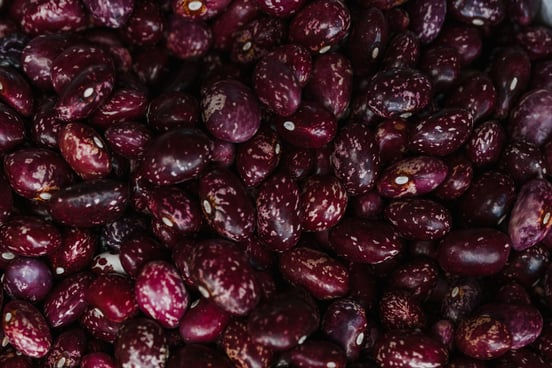
If there is one food group shared by every long lived population on earth, it is legumes. Beans, lentils, chickpeas, and peas appear daily in the traditional diets of the longest living communities, from Okinawa to the Mediterranean.
Legumes are a rare food that is high in both protein and fibre. That fibre feeds gut bacteria, steadies blood sugar, and supports healthy cholesterol. The protein makes them a filling, low cost alternative to meat, and eating less red and processed meat is one of the clearest dietary links to a longer life.
Researchers who study the world's longevity hotspots have called legumes the single most important food for a long life. One review found that a daily serving of beans was associated with a meaningful drop in the risk of early death.
How to eat more. Tinned beans and lentils are fast and cheap. Add them to soups, stews, salads, and pasta sauces. Aim for at least half a cup a day, which is easier than it sounds once you build the habit.
7. Cruciferous vegetables
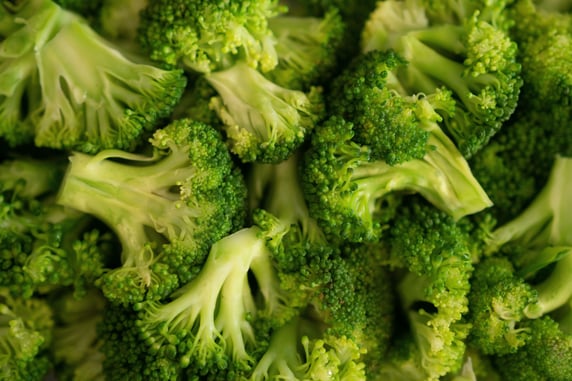
Broccoli, cauliflower, Brussels sprouts, cabbage, and kale belong to the cruciferous family, and they carry a compound most vegetables do not. When you chop or chew them, they release sulforaphane, a molecule that switches on the body's own antioxidant and detoxification systems.
This is a clever mechanism. Rather than acting as an antioxidant itself, sulforaphane signals your cells to make more of their own protective enzymes. That internal defence lasts far longer than any single antioxidant from food. Research links high cruciferous intake with better cellular health and healthy aging.
How to eat more. Light steaming keeps more of the beneficial compounds than boiling. Chop broccoli and let it sit for a few minutes before cooking, which gives the sulforaphane time to form. A sprinkle of raw mustard seed powder over cooked broccoli can boost the amount your body absorbs.
8. Green tea
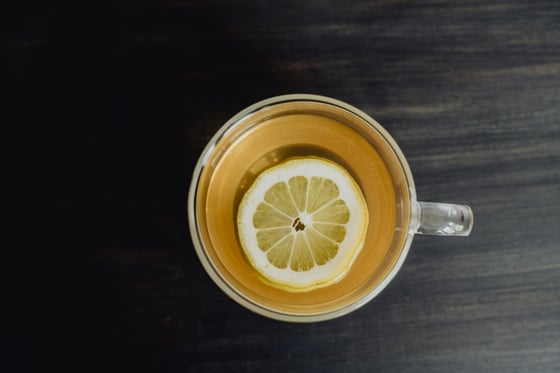
Green tea is the most studied longevity drink after water. Its benefits trace back to a polyphenol called EGCG, one of the most active plant antioxidants in the human diet.
Regular green tea drinkers show better heart health, healthier blood vessels, and in some studies a lower risk of early death. In Japan, where green tea is a daily habit, large studies have linked several cups a day with longer life. The drink also delivers a gentle lift from caffeine paired with L theanine, an amino acid that smooths out the stimulation and supports calm focus.
How to eat more. Brew it at a lower temperature, around 80 degrees Celsius, to avoid a bitter taste and to protect the delicate compounds. Two to three cups a day matches the intake seen in the research. Matcha, made from ground whole leaves, delivers a higher dose in a single cup.
9. Fermented foods
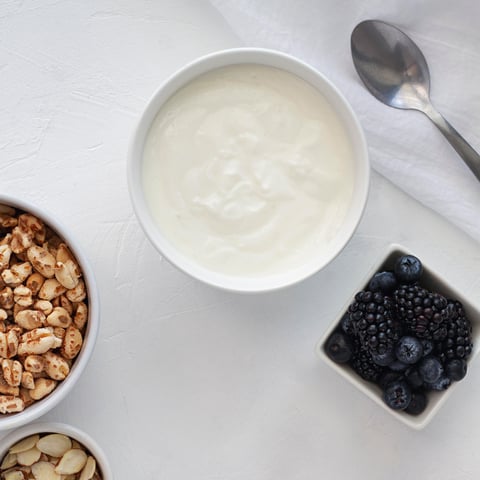
Fermented foods are having a well earned moment, and the science supports the trend. Yoghurt, kefir, sauerkraut, kimchi, miso, and natto all deliver live bacteria and the compounds those bacteria produce. Together they help build a diverse gut microbiome.
Gut health has moved to the centre of aging research. A varied microbiome is now linked with a stronger immune system, better digestion, steadier mood, and lower inflammation throughout the body. A Stanford study found that a diet high in fermented foods increased microbiome diversity and lowered inflammatory markers in just ten weeks.
The gut connection is one reason we pay close attention to compounds that support the gut lining and microbiome. Our article on astaxanthin and gut health looks at how a single antioxidant fits into this picture.
How to eat more. Add one fermented food to your day. A spoon of live yoghurt at breakfast, a forkful of sauerkraut or kimchi with lunch, or a bowl of miso soup all count. Choose products labelled with live or active cultures, and add them after cooking since heat kills the bacteria.
10. Whole grains
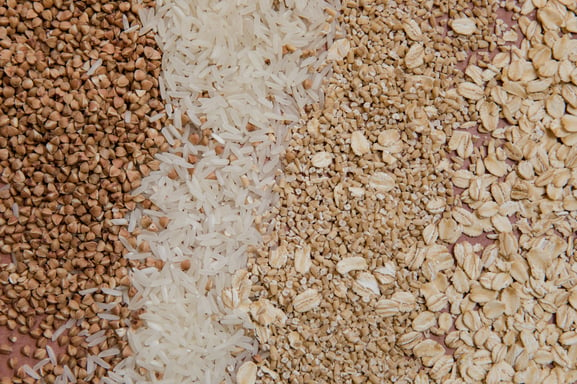
Whole grains are the quiet workhorse of a longevity diet. Oats, barley, brown rice, quinoa, and whole wheat keep the bran and germ that refined grains strip away. That means more fibre, more B vitamins, more minerals, and a slower, steadier release of energy.
The fibre in whole grains feeds gut bacteria and supports healthy cholesterol and blood sugar. Large studies consistently link higher whole grain intake with a lower risk of early death and better heart health. Swapping refined grains for whole ones is one of the simplest diet upgrades with a measurable payoff.
How to eat more. Choose oats over sugary cereal, brown rice over white, and whole grain bread over white bread. Barley and quinoa make hearty bases for grain bowls. Read labels and look for a whole grain as the first ingredient.
11. Astaxanthin: the antioxidant that colours the list
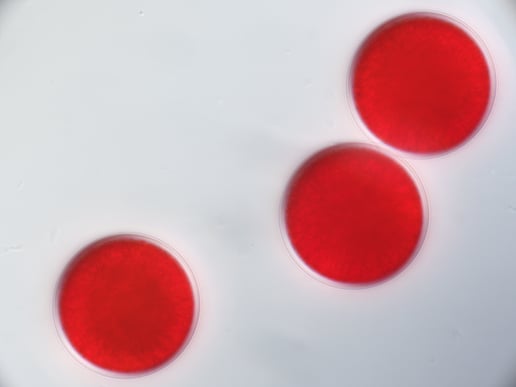
We end with the entry that ties several others together. Astaxanthin is a red pigment in the carotenoid family, the same family as the beta carotene in carrots. It is the compound that turns wild salmon pink, gives shrimp and lobster their colour, and paints flamingos their signature shade. Those animals do not make it. They eat it. And the original source of nearly all of it is a tiny green microalga called Haematococcus pluvialis.
So what makes astaxanthin worth a place at the top of a longevity list?
It is one of the most potent antioxidants found in nature. Laboratory research has measured its ability to neutralise free radicals as far stronger than that of vitamin C, vitamin E, and beta carotene. Its structure lets it sit across the full width of a cell membrane, protecting both the water facing and fat facing sides at once, something most antioxidants cannot do. If you want the full comparison, our deep dive on the most potent antioxidant breaks down how it stacks up against the rest.
It is studied for the systems that age first. Research has examined astaxanthin for skin, eye, brain, heart, and muscle health. On the skin, studies suggest it may help support elasticity and moisture and reduce the visible effects of sun exposure from within, which is why it appears so often in the conversation about aging well. Our guide to astaxanthin for skin covers what the research does and does not show. Other work has looked at its role in supporting cognitive function as we age, explored in our article on astaxanthin and the brain.
It fits the longevity food profile perfectly. It is a strong antioxidant. It has been studied for its anti inflammatory activity. It supports systems that decline with age. It is the natural pigment behind two other foods on this list, wild salmon and shellfish.
What foods contain astaxanthin?
The richest natural sources are wild salmon, trout, shrimp, crab, lobster, krill, and salmon roe. Wild salmon leads the pack, though the amount varies with the fish and its diet. Farmed salmon usually contains far less unless the pigment is added to its feed.
Here is the honest limitation. To reach the astaxanthin doses used in most research studies through food alone, you would need to eat a large amount of wild salmon every single day. That is not realistic for most people. This is why concentrated natural astaxanthin, grown directly from Haematococcus pluvialis, has become the practical way to get a meaningful, consistent amount.
Natural matters
Not all astaxanthin is equal. Most of the astaxanthin on the market is synthetic, made from petrochemicals and used mainly to colour farmed fish. Natural astaxanthin from microalgae has a different molecular structure and is the form studied for human health.
This is the part of the story we know well. At axabio® we grow natural astaxanthin from Haematococcus pluvialis using our own patented technology, in a closed system that protects both the purity of the final ingredient and the environment around it. In 2026 axabio® became the first natural astaxanthin producer to earn B Corporation certification, a recognition tied to how little energy and water our process uses relative to the purity it achieves. When the source is this clean, the molecule that reaches you is the same one that colours a wild salmon, only concentrated to a useful amount.
How to get more. Eat wild salmon and shellfish regularly for a natural dietary base. For a consistent daily amount that matches the research, a natural astaxanthin supplement from microalgae is the reliable route. Because astaxanthin is fat soluble, take it with a meal that contains some fat for better absorption.
The longevity plate: how to put it together
Eleven foods can feel like a lot to manage. It is simpler than it looks once you stop thinking in single foods and start thinking in patterns. Here is a plate that covers most of the list in a single meal.
Fill half the plate with vegetables, leaning on leafy greens and a cruciferous vegetable. Add a palm sized portion of fatty fish or a scoop of legumes for protein. Include a serving of whole grains. Dress it all with extra virgin olive oil. Finish with a small handful of nuts and a side of fermented vegetables. Drink green tea with or after the meal, and keep berries on hand for a naturally sweet finish.
Do that most days and you have built the eating pattern shared by the longest living people on earth. Layer in a daily source of natural astaxanthin, and you cover the one compound that is hard to reach through food alone.

References
- Morris MC, Wang Y, Barnes LL, Bennett DA, Dawson-Hughes B, Booth SL. Nutrients and bioactives in green leafy vegetables and cognitive decline: prospective study. Neurology. 2018;90(3):e214-e222. doi:10.1212/WNL.0000000000004815
- Devore EE, Kang JH, Breteler MMB, Grodstein F. Dietary intakes of berries and flavonoids in relation to cognitive decline. Annals of Neurology. 2012;72(1):135-143. doi:10.1002/ana.23594
- Beauchamp GK, Keast RSJ, Morel D, et al. Phytochemistry: ibuprofen-like activity in extra-virgin olive oil. Nature. 2005;437(7055):45-46. doi:10.1038/437045a
- Guasch-Ferré M, Li Y, Willett WC, et al. Consumption of olive oil and risk of total and cause-specific mortality among U.S. adults. Journal of the American College of Cardiology. 2022;79(2):101-112. doi:10.1016/j.jacc.2021.10.041
- Rimm EB, Appel LJ, Chiuve SE, et al. Seafood long-chain n-3 polyunsaturated fatty acids and cardiovascular disease: a science advisory from the American Heart Association. Circulation. 2018;138(1):e35-e47. doi:10.1161/CIR.0000000000000574
- Bao Y, Han J, Hu FB, et al. Association of nut consumption with total and cause-specific mortality. New England Journal of Medicine. 2013;369(21):2001-2011. doi:10.1056/NEJMoa1307352
- Darmadi-Blackberry I, Wahlqvist ML, Kouris-Blazos A, et al. Legumes: the most important dietary predictor of survival in older people of different ethnicities. Asia Pacific Journal of Clinical Nutrition. 2004;13(2):217-220.
- Fahey JW, Zhang Y, Talalay P. Broccoli sprouts: an exceptionally rich source of inducers of enzymes that protect against chemical carcinogens. Proceedings of the National Academy of Sciences USA. 1997;94(19):10367-10372. doi:10.1073/pnas.94.19.10367
- Kuriyama S, Shimazu T, Ohmori K, et al. Green tea consumption and mortality due to cardiovascular disease, cancer, and all causes in Japan: the Ohsaki study. JAMA. 2006;296(10):1255-1265. doi:10.1001/jama.296.10.1255
- Wastyk HC, Fragiadakis GK, Perelman D, et al. Gut-microbiota-targeted diets modulate human immune status. Cell. 2021;184(16):4137-4153.e14. doi:10.1016/j.cell.2021.06.019
- Aune D, Keum N, Giovannucci E, et al. Whole grain consumption and risk of cardiovascular disease, cancer, and all cause and cause specific mortality: systematic review and dose-response meta-analysis of prospective studies. BMJ. 2016;353:i2716. doi:10.1136/bmj.i2716
- Nishida Y, Yamashita E, Miki W. Quenching activities of common hydrophilic and lipophilic antioxidants against singlet oxygen using chemiluminescence detection system. Carotenoid Science. 2007;11:16-20.
- Goto S, Kogure K, Abe K, et al. Efficient radical trapping at the surface and inside the phospholipid membrane is responsible for highly potent antiperoxidative activity of the carotenoid astaxanthin. Biochimica et Biophysica Acta. 2001;1512(2):251-258. doi:10.1016/s0005-2736(01)00326-1
- Tominaga K, Hongo N, Karato M, Yamashita E. Cosmetic benefits of astaxanthin on human subjects. Acta Biochimica Polonica. 2012;59(1):43-47.
- Katagiri M, Satoh A, Tsuji S, Shirasawa T. Effects of astaxanthin-rich Haematococcus pluvialis extract on cognitive function: a randomised, double-blind, placebo-controlled study. Journal of Clinical Biochemistry and Nutrition. 2012;51(2):102-107. doi:10.3164/jcbn.D-11-00017