
Emma Hanegraef
Emma holds a MSc in Cellular and Genetic Engineering and has been passionate about the science behind skincare and health since the age of 12. As an experienced formulator, she translates complex scientific concepts into accessible knowledge, helping you make informed choices about your formulas.
Your pet's body fights a quiet battle every day. Cells take damage from free radicals, and that damage builds up over the years. You see it in stiff joints, tired eyes, lower energy, and a dull coat. Natural astaxanthin is one of the strongest antioxidants we know of, and it is now finding its way into premium pet food and supplements for exactly this reason.
This guide explains what natural astaxanthin is, why scientists call it the king of antioxidants, and what it does for dogs and cats. You will learn how it protects vital organs, why the natural form beats the synthetic one, and how to choose a quality source. By the end you will know how this single ingredient supports healthy aging in the animals you love. 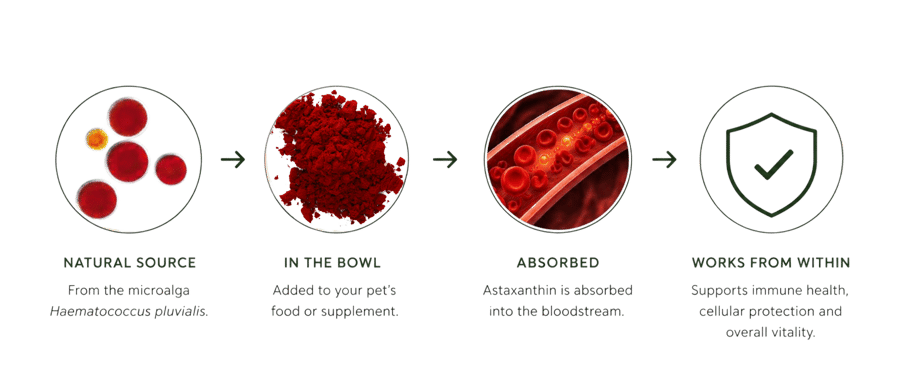
What Is Natural Astaxanthin?
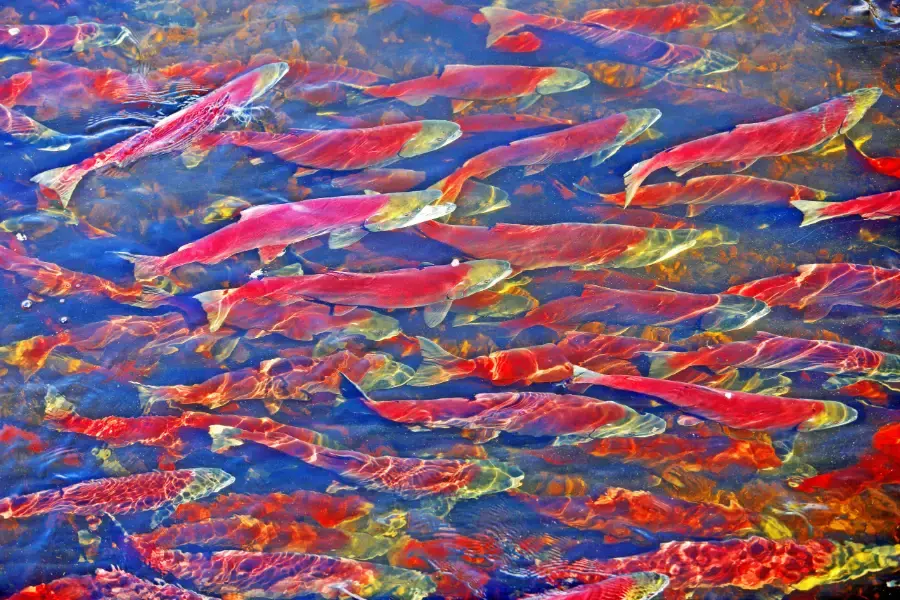
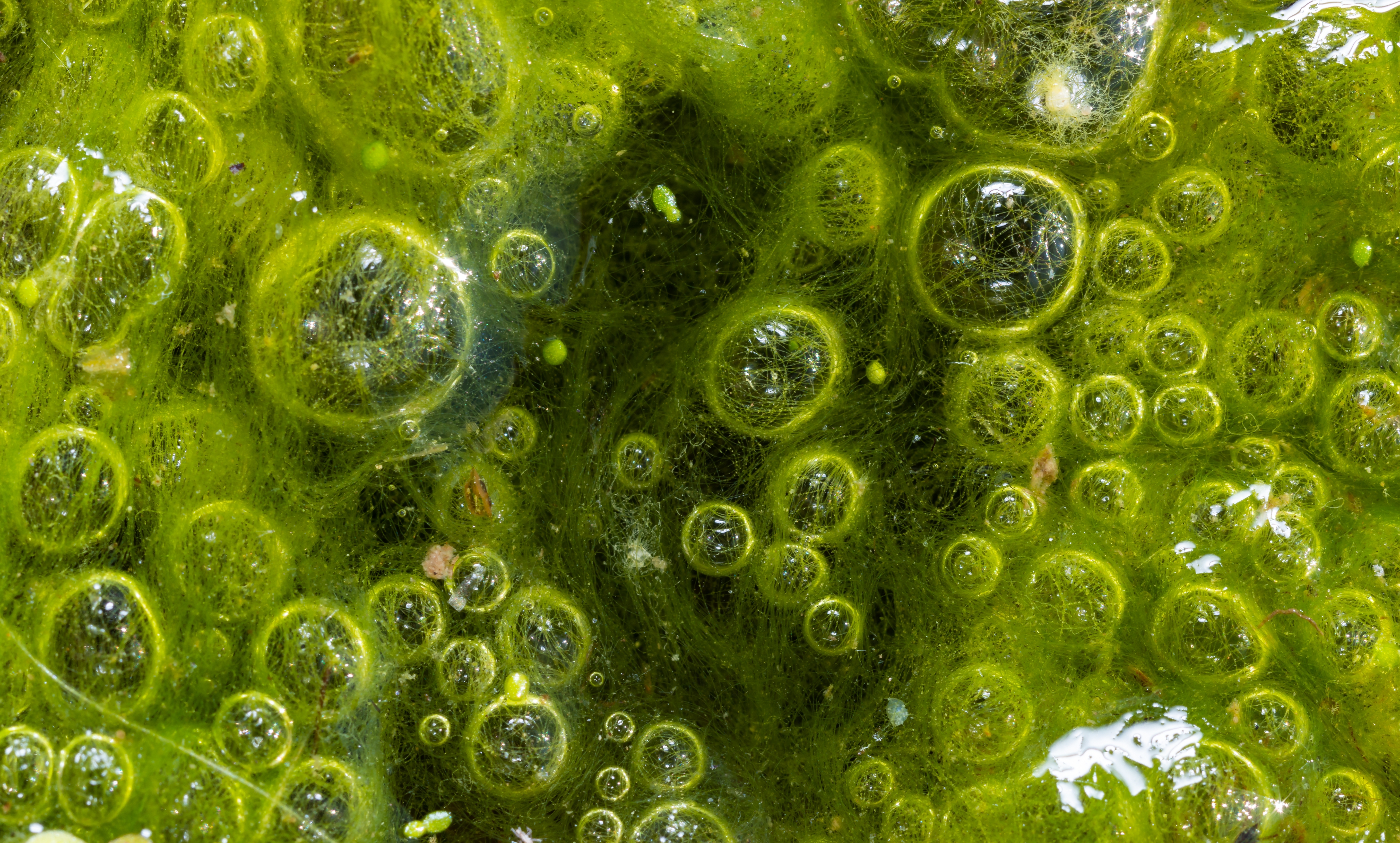
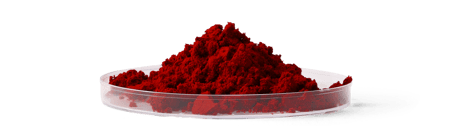
Astaxanthin is a red pigment from the carotenoid family. It gives salmon, shrimp, krill, and lobster their pink and red color. The richest natural source is a microalga called Haematococcus pluvialis, which packs the highest concentration of astaxanthin found in nature.
Here is the key point for pet owners. Neither dogs nor cats can make astaxanthin in their own bodies. They can only get its benefits through food or supplements. That makes it a true dietary nutrient, not something the body produces on its own.
A 2010 study on dogs and cats confirmed that both species absorb dietary astaxanthin into their blood, where it binds mainly to HDL and reaches immune cells. So when your pet eats it, the body puts it to work (Park et al., 2010).
Why Astaxanthin Is Called the King of Antioxidants
Antioxidants neutralize free radicals, the unstable molecules that damage cells. Astaxanthin does this with unusual strength. Lab research often ranks it as roughly 6,000 times stronger than vitamin C, 550 times stronger than vitamin E, and far more potent than beta-carotene and CoQ10 (Nishida et al., 2007).
Potency is only half the story. Most antioxidants protect only one side of a cell membrane. Astaxanthin has a different molecular shape that lets it sit across the whole membrane. It guards both the inner and outer layers at once. Few other nutrients can do this.
It also crosses two barriers that block many compounds: the blood-brain barrier and the blood-retinal barrier. This means it can reach and protect the brain and the eyes directly. For an aging pet, that access matters a great deal.
The Benefits of Astaxanthin for Pets
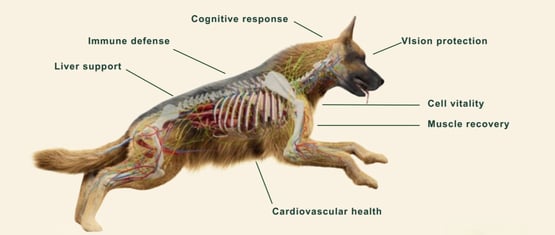
Oxidative stress rises as animals age, just as it does in people. Astaxanthin works against that stress across the whole body. The research in dogs and cats points to benefits in a wide range of systems.
Eye and Vision Health
Astaxanthin crosses the blood-retinal barrier, so it reaches eye tissue that most nutrients cannot. There it protects the retina from oxidative damage. Research links it to better blood flow in ocular tissue and less eye fatigue (Nagaki et al., 2002). For senior pets, this helps maintain vision and may lower the risk of age-related problems such as cataracts.
Joint Health and Mobility
Astaxanthin is a strong anti-inflammatory. Joint pain in older or active dogs often comes from inflammation driven by oxidative stress. Astaxanthin blocks several of the chemical signals that create that pain. The result is steadier comfort and better movement, so your dog stays active for longer.
Brain and Cognitive Function
Astaxanthin crosses the blood-brain barrier and protects brain cells and their mitochondria. A 2012 study by Park and colleagues found that dietary astaxanthin improved mitochondrial function in dogs, with stronger effects in geriatric animals than in young ones (Park et al., 2012). Healthier mitochondria mean less cellular damage and better support for memory and learning as pets age.
Heart and Cardiovascular Health
Oxidative stress and inflammation strain the heart and blood vessels. Astaxanthin lowers markers of inflammation and supports healthy lipid levels. Studies in dogs have shown reduced triglycerides after supplementation (Murai et al., 2019). These effects support normal cardiovascular function, which matters most for senior pets and breeds prone to heart problems.
Immune Defense
Astaxanthin strengthens the immune response on several fronts. Studies in dogs report higher lymphocyte activity, increased natural killer cell function, and elevated antibody levels after supplementation (Chew et al., 2011). A stronger immune system leaves your pet better equipped to fight infection and recover from illness.
Skin and Coat
Free radical damage shows up on the outside too. Astaxanthin protects skin cells and improves nutrient delivery to the coat. It supports hydration and elasticity, which leads to a softer, shinier coat. It also helps the skin cope with UV exposure and everyday environmental stress.
Muscle Recovery and Energy
Active and working dogs put their muscles under repeated stress. Astaxanthin reduces oxidative damage in muscle tissue, so dogs recover faster after exercise. Research also shows it raises ATP production and supports glycogen and protein synthesis. The payoff is better endurance and steadier energy, with the clearest gains in older dogs.
Metabolic Health and Healthy Weight
Extra weight in pets brings low-grade inflammation and oxidative stress. A 2022 study in beagles found that a protein-rich, fiber-rich diet with added astaxanthin eased high-fat-diet-induced obesity (Liu et al., 2022). Astaxanthin helps the body handle fat metabolism and the inflammation that comes with excess weight. That makes it a useful addition to weight-management formulas.
Liver Support
The liver does heavy work in metabolism, and astaxanthin concentrates in liver tissue. In a 2019 study, obese dogs given astaxanthin for eight weeks showed lower ALT and triglyceride levels, both signs of improved liver function and lipid metabolism (Murai et al., 2019). The effect was even clearer in obese dogs than in healthy ones.
Blood Sugar Support
Oxidative stress plays a role in canine diabetes and its complications. Research shows astaxanthin can improve insulin sensitivity, support glucose uptake, and reduce fat buildup in the liver (Wang et al., 2022). A 2025 proteomics study in dogs with diabetes mapped how astaxanthin shifts the molecular pathways behind these effects. This is an emerging area, and the early signals are promising.
Healthy Aging in Senior Pets
Every benefit above points the same way: slower, gentler aging. Senior dogs and cats face rising oxidative stress and falling absorption at the same time. Astaxanthin counters the first and stays bioavailable enough to help with the second. For an aging pet, that adds up to more comfortable joints, sharper senses, steadier energy, and more good years.
Natural vs Synthetic Astaxanthin for feeding: Why the Source Matters
Not all astaxanthin is the same. The natural and synthetic forms come from very different places.
Synthetic astaxanthin is made from petrochemicals. Natural astaxanthin comes from microalgae. That difference changes safety, purity, and how well the body absorbs it.
Three points stand out for pet nutrition:
- Bioavailability. The natural form is absorbed and used more efficiently by the body than the synthetic version.
- Safety and approval. In the EU, only natural astaxanthin is approved for human consumption. That standard reflects its stronger safety profile.
- Clean label. Natural astaxanthin from microalgae is non-GMO and allergen-free, which suits pet parents who want clean ingredients.
Marine sources like salmon contain astaxanthin, but the amounts are small. You would need to feed several wild salmon fillets a day to reach an effective dose for a medium dog. Concentrated microalgae deliver that dose in a form that fits real diets.
How Much Astaxanthin Do Pets Need, and Is It Safe?
Astaxanthin has a strong safety record in companion animals. As with any supplement, dose to your pet's size and follow the product label or your vet's advice.
A common guideline for dogs is around 1 mg of astaxanthin per 10 kg of body weight. So a beagle needs far less than a golden retriever. Cats absorb astaxanthin in a similar way to dogs, so the same care with dosing applies.
One practical tip: astaxanthin is fat-soluble. Give it with a meal that contains some healthy fat so the body absorbs it well. Always talk to your veterinarian before adding any new supplement, especially if your pet has a health condition or takes medication.
How to Choose a Quality Astaxanthin
Production method decides the quality of the final ingredient. When you read a label or pick a pet food, look past the marketing and check the source.
Strong signals of quality include:
- Natural, microalgae-derived astaxanthin from Haematococcus pluvialis, not a synthetic, petrochemical-based version.
- A clean, traceable production process with low chlorophyll contamination and high purity.
- A stabilized form that protects potency in real products, from extruded kibble to wet food and soft treats.
- Food-safety certification at the production site.
This is where axabio® fits in. axabio® is a Belgian biotech that produces natural astaxanthin in patented vertical panel photobioreactors. AI-powered monitoring controls the growing conditions, which keeps purity high and contamination low. The facility runs on 100% renewable energy and captures CO2, and it operates under FSSC 22000, the highest food-safety standard. The flagship ingredient, axafine CWD, delivers stabilized natural astaxanthin that holds its potency even in open formats like pellets and meal mixes.
For pet food manufacturers, that consistency removes the guesswork. For pet parents, it means the astaxanthin in the bowl actually reaches the cells where it works.
A common guideline is about 1 mg per 10 kg of body weight, given with a meal that contains fat for better absorption. Your veterinarian can confirm the right dose for your dog's size and health.
The Bottom Line
Natural astaxanthin gives your pet a level of cellular protection that few other nutrients can match. It guards both sides of the cell membrane, reaches the brain and eyes, and supports the joints, heart, immune system, and coat. For aging dogs and cats, that adds up to more good years and a better quality of life.
The source is what makes the difference. Natural astaxanthin from microalgae, produced with care for purity and stability, is the form that earns a place in premium pet nutrition.

References
- Nishida Y, Yamashita E, Miki W. Quenching activities of common hydrophilic and lipophilic antioxidants against singlet oxygen using a chemiluminescence detection system. Carotenoid Science, 2007;11:16-20.
- Park JS, Mathison BD, Hayek MG, et al. Astaxanthin uptake in domestic dogs and cats. Nutrition and Metabolism, 2010. https://www.ncbi.nlm.nih.gov/pmc/articles/PMC2898833/
- Chew BP, Mathison BD, Hayek MG, Massimino S, Reinhart GA, Park JS. Dietary astaxanthin enhances immune response in dogs. Veterinary Immunology and Immunopathology, 2011;140(3-4):199-206. https://doi.org/10.1016/j.vetimm.2010.12.004
- Park JS, et al. Dietary astaxanthin and mitochondrial function in young and geriatric dogs, 2012. Indexed on PubMed.
- Murai T, Kawasumi K, Tominaga K, et al. Effects of astaxanthin supplementation in healthy and obese dogs. Veterinary Medicine: Research and Reports, 2019. https://www.tandfonline.com/doi/full/10.2147/VMRR.S186202
- Liu H, et al. A protein- and fiber-rich diet with astaxanthin alleviates high-fat diet-induced obesity in beagles. Frontiers in Nutrition, 2022. https://www.frontiersin.org/journals/nutrition/articles/10.3389/fnut.2022.1019615/full
- Wang J, et al. Astaxanthin from Haematococcus pluvialis prevents high-fat diet-induced hepatic steatosis and oxidative stress in mice by gut-liver axis modulating properties. Frontiers in Nutrition, 2022. https://www.ncbi.nlm.nih.gov/pmc/articles/PMC9039660/
- Plasma-based proteomics analysis of molecular pathways in canine diabetes mellitus after astaxanthin supplementation, 2025. https://www.ncbi.nlm.nih.gov/pmc/articles/PMC12057883/
- Nagaki Y, et al. Effects of astaxanthin on accommodation, critical flicker fusion, and eye fatigue. Journal of Clinical Biochemistry and Nutrition, 2002.