

Maarten Muys
Dr. ir. Maarten Muys holds a masters degree in Environmental Technology and a PhD in Bioengineering. He specialized in sustainable microbial protein production and microalgae cultivation. Maarten has amassed over 12 years of experience in algae cultivation and has published numerous paper on the topic.
The Power of the Most Potent Antioxidant
Antioxidants are vital for our health, offering benefits that support daily well-being. They protect our cells from damage caused by free radicals, unstable molecules that can lead to chronic diseases.
The most potent antioxidant is a topic of much debate, and what qualifies as the most powerful among the best antioxidants is nuanced. Some of the strongest contenders include glutathione, astaxanthin, and vitamin C. Each has unique antioxidant properties.
Glutathione is often called the "master antioxidant." It helps regenerate other antioxidants, enhancing their effectiveness, which makes it one of the best antioxidants considered by researchers. Astaxanthin, found in algae and seafood, is known for its anti-inflammatory properties and as a source of natural antioxidants.
Vitamin C is a well-known antioxidant. This natural antioxidant supports the immune system and promotes skin health. Together, these antioxidants are crucial for maintaining overall well-being.
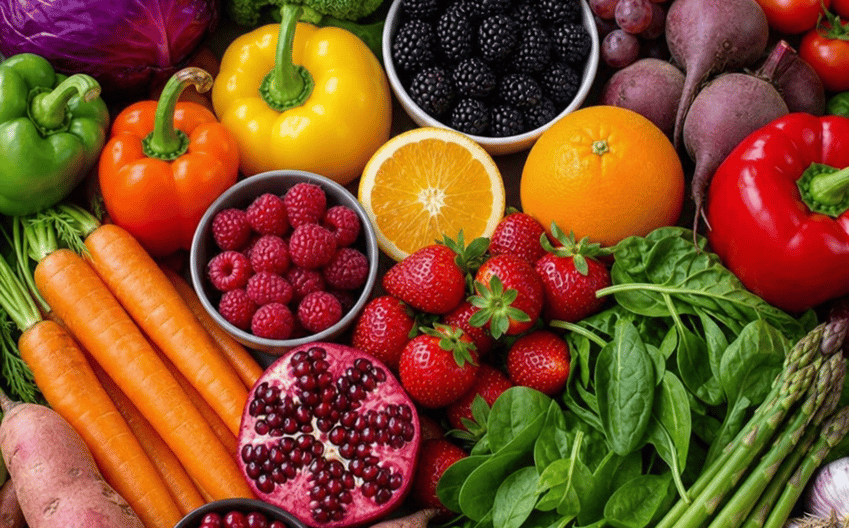
Antioxidant-rich foods are abundant in nature. Fruits, vegetables, nuts, and seeds are excellent sources of natural antioxidants. Incorporating these into your diet can offer numerous health benefits and maximize the antioxidant benefits you get from whole foods.
Antioxidant supplements can fill dietary gaps. However, they should be used with caution and ideally under medical supervision. When used properly, they can complement natural antioxidants — though natural sources are often the best choice.
Understanding the power of antioxidants can transform your health.
By choosing the right foods and supplements, you can harness their full potential.
What Are Antioxidants and Why Do We Need Them?
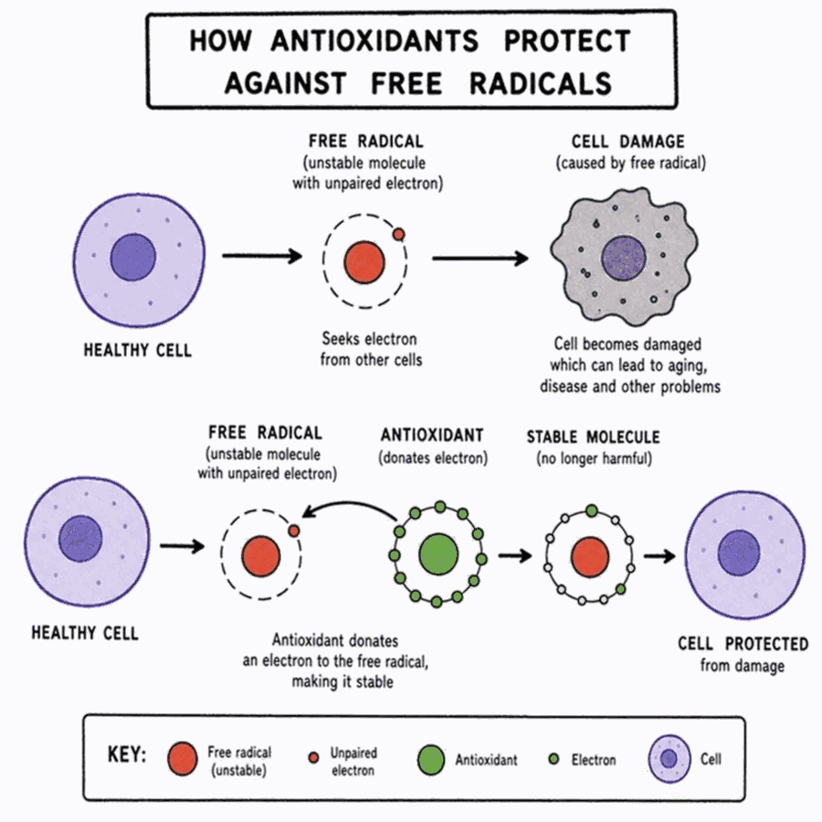
Antioxidants are molecules that shield cells from damage. Thanks to their properties, they neutralize free radicals and prevent oxidative stress, which is linked to many diseases.
Free radicals are unstable molecules. They form during normal cell processes, and environmental factors like pollution can increase their number.
The presence of antioxidants ensures balance. Without them, free radicals can wreak havoc on our bodies — which is why antioxidants are essential.
We encounter antioxidants in various forms:
- Vitamins like C and E
- Minerals such as selenium
- Plant compounds like flavonoids
- Enzymes including glutathione
Antioxidants offer many benefits. They boost the immune system, reduce inflammation, and can slow the aging process. Together, these natural antioxidants deliver complementary benefits.
Incorporating a diverse range of antioxidants into your diet is key. They work together to optimize health benefits, so a healthy diet should include plenty of antioxidant-rich foods.
Antioxidants protect against cellular damage and promote overall health. Understanding their role in our diet helps us make more informed health choices.
Your Body Makes Its Own Antioxidants
Not all antioxidants come from your plate. Your body produces a powerful internal defense network, endogenous antioxidants, that works around the clock. The three most important are glutathione, superoxide dismutase (SOD), and catalase: enzymes that neutralize free radicals faster than any dietary compound can.
This is why glutathione earns the title of "master antioxidant." It's synthesized inside your cells, it regenerates vitamins C and E after they've been spent, and it sits at the center of detoxification in the liver.
Dietary antioxidants such as vitamin C, vitamin E, carotenoids like astaxanthin and beta-carotene, or also plant polyphenols, play a complementary role. They reinforce your internal defenses, reach compartments enzymes can't, and matter more as endogenous production naturally declines with age. In short, a strong antioxidant status depends on both what your body makes and what you feed it.
Understanding Free Radicals and Oxidative Stress
Free radicals are highly reactive molecules, byproducts of normal metabolism. External factors like pollution also increase their production.
These molecules are unstable due to unpaired electrons. To become stable, they "steal" electrons from other molecules, which can trigger a destructive cycle of free radical formation.
Oxidative stress occurs when free radicals outnumber antioxidants. This imbalance damages cells and tissues, and is a key contributor to aging and various diseases.
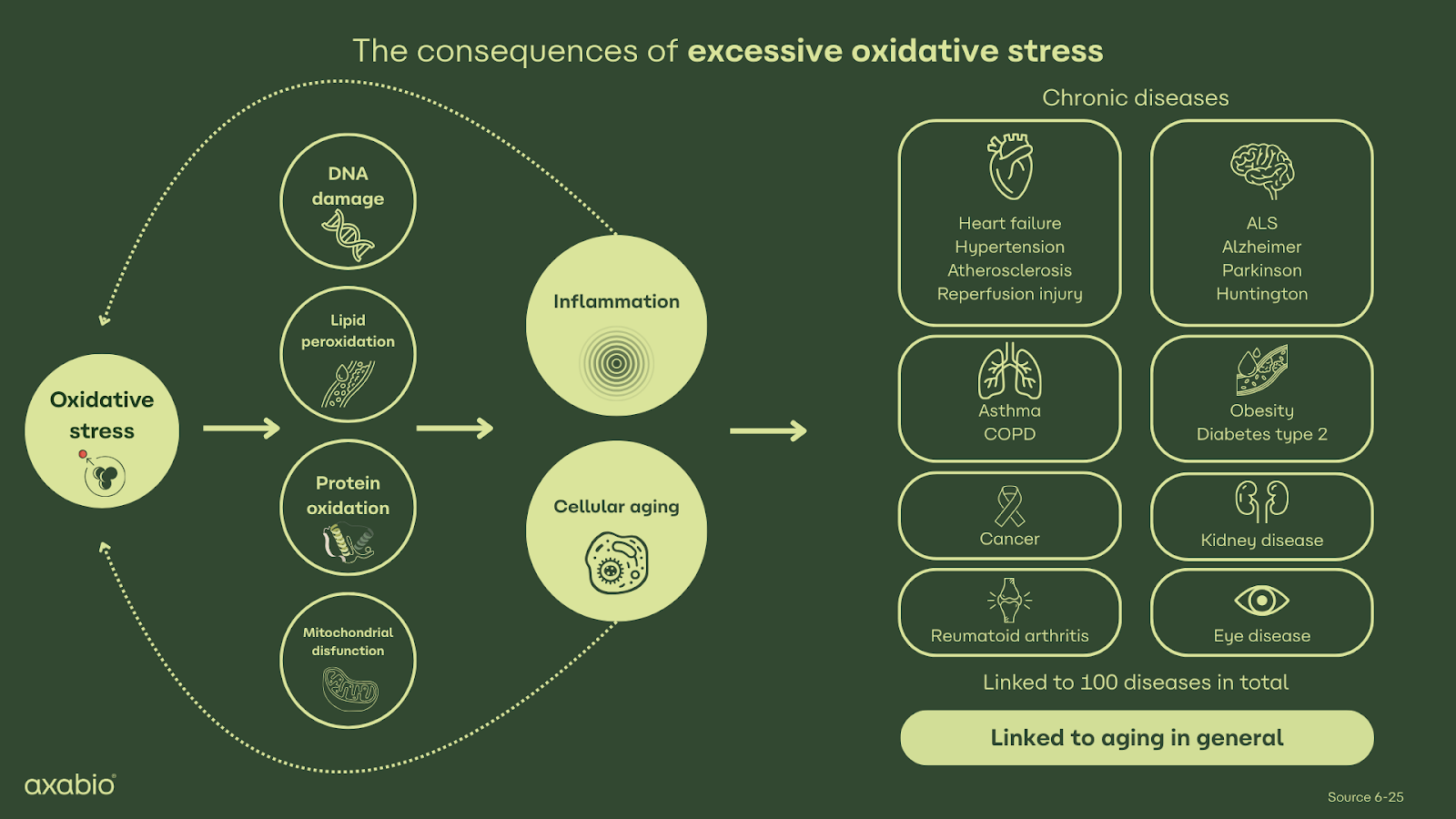
Signs of oxidative stress can be subtle. Chronic fatigue, inflammation, and frequent infections are common indicators. Managing this stress is crucial to maintaining good health.
To reduce oxidative stress, it helps to focus on:
- A diet rich in antioxidant-rich foods
- Reducing exposure to pollutants
- Managing stress effectively
- Regular physical activity
Understanding and addressing oxidative stress is vital. It allows us to protect our bodies from potential harm, and is a cornerstone of healthy living.
What Drives Oxidative Stress in Modern Life
Oxidative stress isn't only an internal, metabolic process & modern lifestyles accelerate it considerably. Recognizing the main triggers is the first step to keeping it in check.
- UV and pollution: sunlight and airborne particulates generate reactive oxygen species directly in skin and lungs.
- Ultra-processed diets: high in refined sugars and industrial fats, low in the micronutrients that protect cells.
- Alcohol and tobacco: both flood the body with free radicals and deplete antioxidant reserves.
- Intense or unaccustomed exercise: temporarily raises oxidative load, one reason athletes pay attention to recovery and antioxidant intake.
- Chronic stress and poor sleep: disrupt the hormonal balance that normally keeps free radicals in check.
You can't eliminate oxidative stress, it's a normal part of being alive, but you can tip the balance back in your favor through diet, lifestyle, and targeted antioxidant support.
The Most Potent Antioxidant: What Science Says
In the quest for optimal health, scientists have debated the most potent antioxidant. The debate centers on which antioxidant holds the most power in neutralizing harmful free radicals.
Glutathione frequently tops the list. Known as the "master antioxidant," it helps regenerate other antioxidants, and its role in cellular defense is significant.
Astaxanthin is another powerful contender. This carotenoid has been shown to possess exceptional anti-inflammatory properties. Found in algae and seafood, it protects cells from oxidative damage and is considered one of the most notable natural antioxidants (Ambati et al., 2014).
Vitamin C is both well-known and highly effective. It boosts the immune system and enhances skin health, and many people rely on its protective properties in daily life.
To summarize, some of the most potent antioxidants include:
- Glutathione: regenerates and supports other antioxidants
- Astaxanthin: offers strong anti-inflammatory benefits
- Vitamin C: supports immunity and skin vitality
Each of these antioxidants excels in unique ways, and their potency can vary depending on how they're consumed. Naturally occurring antioxidants in foods often provide the best absorption.
Understanding the strengths of these antioxidants enables us to harness their benefits. By incorporating a variety of sources into our diet, we receive the full range of antioxidant properties.
How Is Antioxidant Power Actually Measured?
Part of the reason the "most potent antioxidant" debate never settles is that there's no single yardstick. Different lab assays measure different things, and the same compound can rank near the top on one test and mid-pack on another.
- ORAC (Oxygen Radical Absorbance Capacity): measures how well a compound neutralizes oxygen radicals overall.
- Singlet oxygen quenching: tests the ability to disarm one specific, highly damaging reactive species generated by UV light.
- DPPH / ABTS (TEAC): chemical assays that score free-radical scavenging in a test tube.
This matters because a headline like "X times stronger than vitamin C" almost always refers to one narrow assay, usually singlet oxygen quenching, not real-world performance in the body. A water-soluble antioxidant like vitamin C and a fat-soluble one like astaxanthin operate in entirely different compartments, so comparing them on a single number is a bit like ranking a submarine against an airplane on underwater speed. Both matter; they simply do different jobs.
Why Astaxanthin Stands Out Among Carotenoids
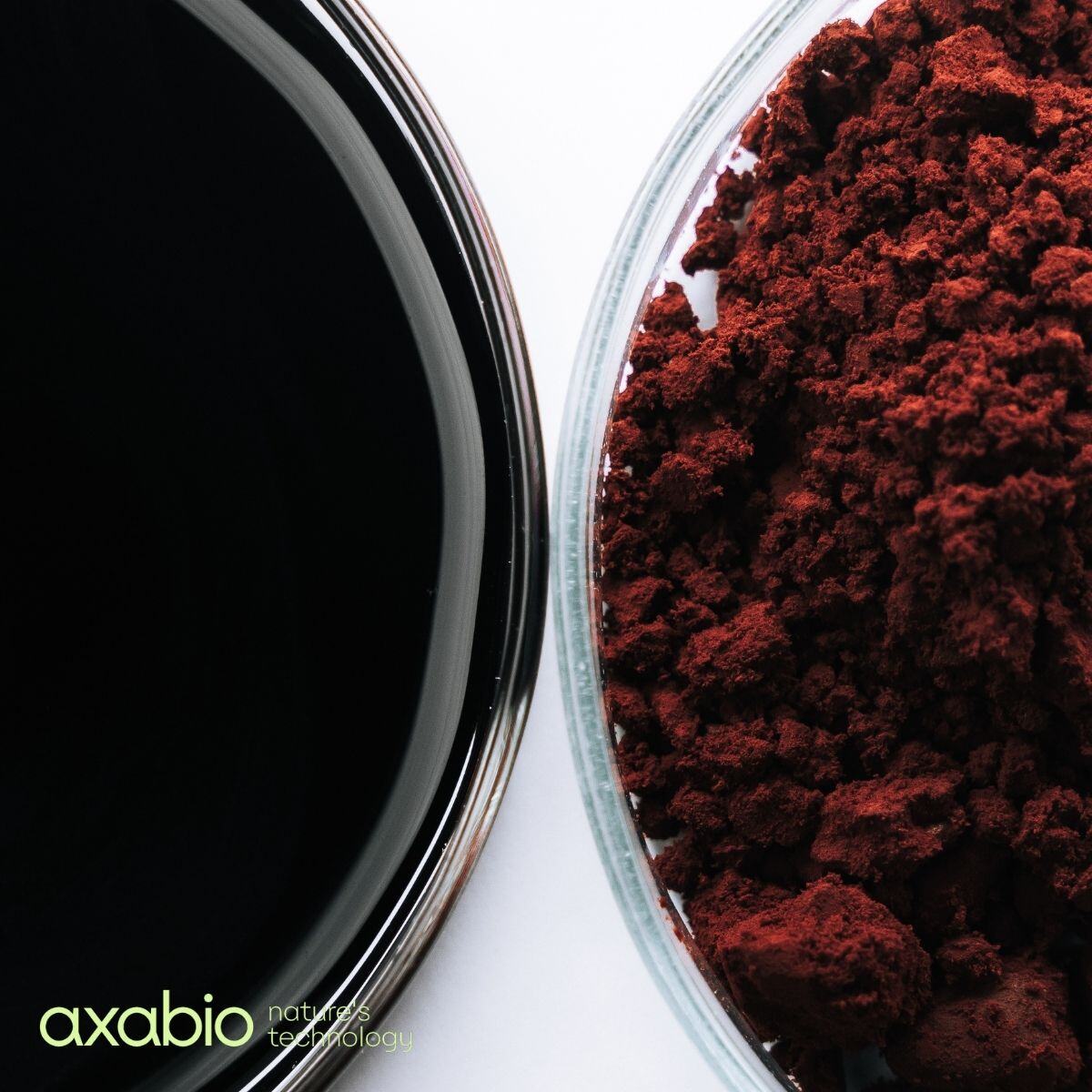
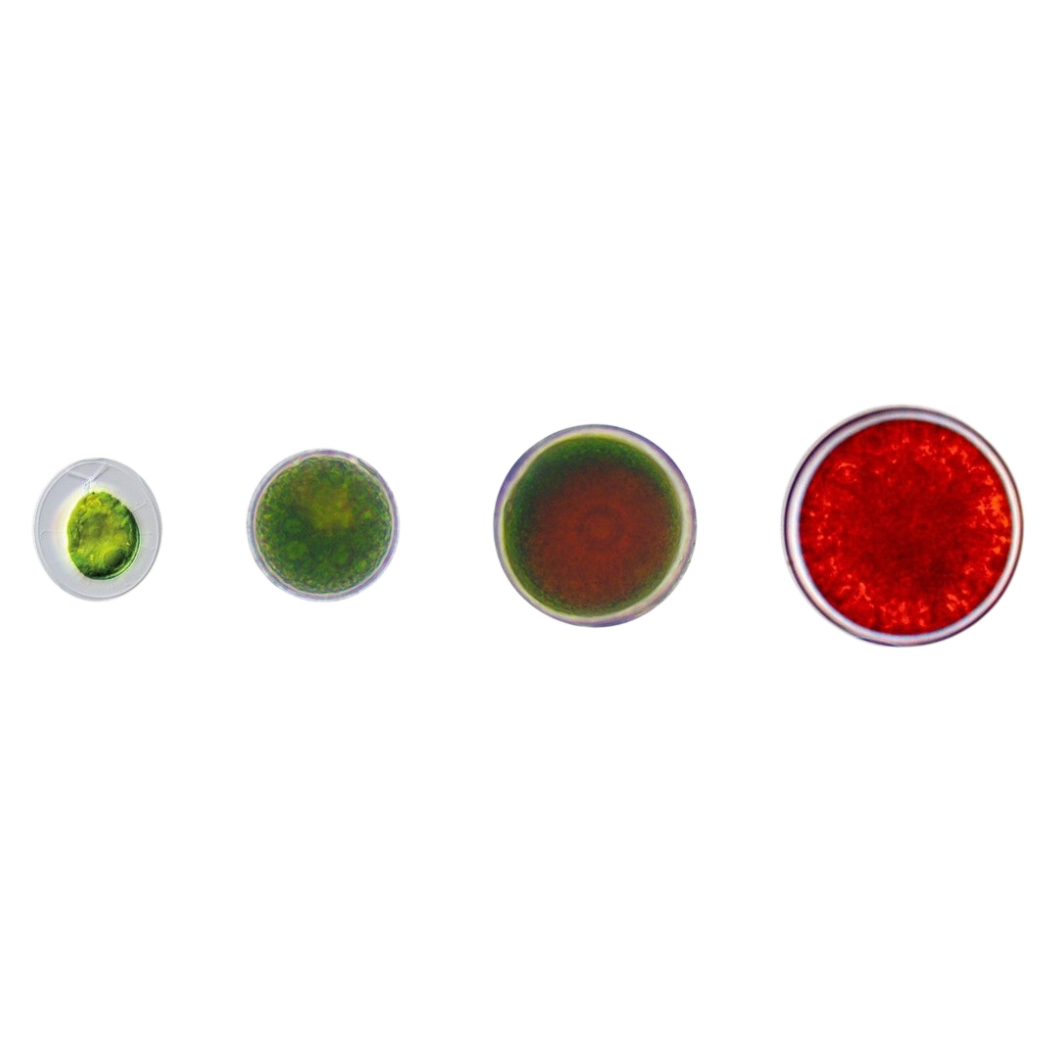
Among natural antioxidants, astaxanthin, the red-pink pigment produced by the microalga Haematococcus pluvialis, has drawn particular scientific attention, and for sound structural reasons (Ambati et al., 2014).
Most antioxidants protect either the watery interior of a cell or its fatty membranes — not both. Astaxanthin's elongated molecule spans the entire cell membrane, positioning itself to protect the inner and outer layers simultaneously. Its backbone carries 13 conjugated double bonds (versus 11 in beta-carotene), which underpins its exceptional capacity to absorb the energy of free radicals (Bjørklund et al., 2022).
In laboratory assays measuring singlet oxygen quenching, natural astaxanthin has been reported as roughly 6,000× more active than vitamin C, 770× more than CoQ10, 100× more than vitamin E (against lipid peroxidation), and about 5× more than beta-carotene (Bjørklund et al., 2022; Nishida et al., 2007).
| Antioxidant | Relative singlet-oxygen quenching | Works in |
|---|---|---|
| Astaxanthin | Reference (highest tested) | Fat — spans the membrane |
| Beta-carotene | ~5× weaker | Fat |
| Vitamin E | ~100× weaker | Fat |
| CoQ10 | ~770× weaker | Fat |
| Vitamin C | ~6,000× weaker | Water |
Indicative laboratory values for singlet oxygen quenching; figures vary by assay and study. Source: peer-reviewed review (PMC9655540) and Nishida et al., 2007.
Two further properties set astaxanthin apart from other carotenoids:
- It doesn't turn pro-oxidant: Unlike beta-carotene, which can flip to a damaging pro-oxidant at high doses (notably in smokers), astaxanthin neutralizes free radicals without becoming harmful itself (Bjørklund et al., 2022).
- It never converts to vitamin A: That means no risk of vitamin A toxicity, even at higher intakes (Bjørklund et al., 2022).
One caveat worth keeping in mind: these are laboratory potency figures, not promises of clinical outcomes. Lab strength doesn't translate one-to-one into health benefits in the body, and astaxanthin can't replace the distinct, essential roles of water-soluble antioxidants like vitamin C. The most reliable strategy remains a varied, food-first approach, with targeted supplementation where it makes sense.
Top Natural Antioxidants and Their Unique Properties
Natural antioxidants are found in an array of foods and play a vital role in promoting health and preventing disease. Let's look at some of the top ones and their unique properties.
Berries are a powerhouse of antioxidants. Blueberries, strawberries, and raspberries are rich in anthocyanins, the compounds that give berries their vibrant color and potent health benefits.
Dark chocolate is not just a treat but also an antioxidant-rich food. It is loaded with flavonoids, which help improve heart health. The higher the cocoa content, the more beneficial it is.
Green tea is celebrated for its catechin content. These antioxidants support metabolism and brain function, and drinking green tea regularly can boost overall well-being.
Nuts such as walnuts and pecans are rich in vitamin E, which helps protect cells from oxidative stress. Including a handful in your diet daily can bring noticeable benefits.
Spinach and kale are leafy greens high in antioxidants like lutein and zeaxanthin, which help protect eye health and maintain vision as we age. Adding them to meals is both easy and nutritious.
Tomatoes provide lycopene, a potent antioxidant linked to heart and prostate health. Cooking tomatoes can enhance the availability of lycopene, so incorporating them into cooked dishes is a smart choice.
Here's a quick list of top natural antioxidants:
- Berries: anthocyanins support cardiovascular health
- Dark chocolate: flavonoids aid in reducing inflammation
- Green tea: catechins improve metabolism
- Nuts: vitamin E maintains healthy skin
- Spinach and kale: lutein and zeaxanthin protect eyes
- Tomatoes: lycopene boosts heart health
These natural sources are not only healthy but also delicious. By incorporating a variety of them, you can enhance your diet significantly while benefiting from their antioxidant properties.
Antioxidant-Rich Foods: The Best Dietary Sources
Antioxidant-rich foods are essential for a balanced diet. They help combat oxidative stress and improve health. Consuming a variety of them ensures you get a broad range of antioxidants.
Fruits are among the best sources. Citrus fruits like oranges and lemons provide vitamin C, which boosts the immune system and skin health.
Vegetables are also key players. Broccoli and Brussels sprouts contain glutathione, which regenerates other antioxidants within the body.
Legumes like beans and lentils are rich in polyphenols, which have strong antioxidant properties. They are also excellent sources of protein, making them highly nutritious.
Whole grains such as oats and brown rice contain selenium, which aids in detoxifying the body and supports thyroid function. Including these in meals can promote systemic well-being.
Spices and herbs are often overlooked, yet they pack a punch. Turmeric and ginger are renowned for their anti-inflammatory properties, and adding them to dishes elevates their antioxidant content.
To sum up, here's a list of antioxidant-rich foods:
- Fruits: citrus fruits for vitamin C
- Vegetables: broccoli and Brussels sprouts for glutathione
- Legumes: beans for polyphenols
- Whole grains: brown rice for selenium
- Spices: turmeric and ginger for anti-inflammatory benefits
By choosing these foods, you bolster your body's defenses. A diverse diet rich in antioxidants can lead to better health outcomes, and whole, natural sources help you access the best antioxidants safely.
Antioxidant Supplements: Benefits, Risks, and How to Choose
Antioxidant supplements can fill nutritional gaps and offer a convenient way to increase intake. However, choosing the right supplement requires care and knowledge.
Benefits include boosting immune function, reducing inflammation, enhancing skin health, and combating oxidative stress. For people with limited diets, they provide essential nutrients.
Despite their advantages, risks exist. Overconsumption can lead to adverse effects, and too many antioxidants might interfere with natural defense mechanisms. Always follow recommended dosages to avoid potential harm.
When selecting a supplement, consider several factors. Check for third-party testing to ensure purity and quality, read labels for ingredient transparency, and avoid those with unnecessary additives. Consulting a healthcare provider can help tailor choices to personal needs.
Consider these criteria when picking antioxidant supplements:
- Certification: look for third-party tested products
- Ingredients: opt for supplements with clear, minimal additives
- Consultation: speak with a healthcare professional before starting
In conclusion, antioxidant supplements can support dietary needs. With careful selection and moderated intake, they offer significant health benefits.
Look for blends that feature natural antioxidants without excessive doses.
How to Maximize Antioxidant Benefits in Your Diet
To make the most of antioxidants, aim for a diverse diet. Including a wide range of foods ensures varied antioxidants, colorful fruits and vegetables are key.
Consuming foods raw or lightly cooked preserves their antioxidant properties, as overcooking can diminish the beneficial compounds. Steaming or grilling are preferable methods for retaining nutrients.
Including healthy fats can improve antioxidant absorption. For instance, adding olive oil to a salad increases nutrient uptake, since fats help deliver these compounds effectively to the body.
Here are some strategies to maximize antioxidant intake:
- Variety: include colorful fruits and vegetables daily
- Cooking: favor steaming or grilling over frying
- Fats: pair foods with healthy oils for better absorption
- Whole foods: choose minimally processed options for best results
Combining these strategies creates a balanced, antioxidant-rich diet, a natural and effective way to protect against oxidative stress over the long term.
Antioxidants and Disease Prevention: What the Research Shows
Antioxidants play a crucial role in disease prevention. By neutralizing free radicals, they help reduce oxidative stress, which is linked to various chronic diseases.
Research indicates antioxidants can lower the risk of heart disease by improving blood vessel function and reducing inflammation, both vital for cardiovascular health.
Studies also suggest a link between antioxidants and cancer prevention. Some antioxidants may protect cells from DNA damage, which can prevent mutations that lead to cancer.
Furthermore, antioxidants support brain health and may reduce the risk of neurodegenerative diseases. Conditions like Alzheimer's and Parkinson's may benefit from antioxidant-rich diets.
Here's a summary of potential disease-fighting benefits:
- Cardiovascular health: reducing inflammation and improving circulation
- Cancer protection: safeguarding cells from DNA damage
- Brain health: lowering risk of neurodegenerative diseases
Incorporating a diet rich in antioxidants is a simple yet powerful health strategy. Prioritizing diverse, natural sources is key to long-term health benefits.
Conclusion: Harnessing the Power of the Most Potent Antioxidant
Antioxidants are vital for protecting our health against the damaging effects of free radicals. By incorporating a variety of antioxidant-rich foods into your diet, you can harness these benefits effectively — a colorful plate ensures a wide range of antioxidants.
While supplements offer convenience, they should not replace a balanced diet. Whole foods provide a combination of antioxidants and other nutrients that work synergistically, supporting your body's defense system optimally.
Ultimately, understanding the role and benefits of the most potent antioxidants empowers you to make informed choices. By focusing on natural antioxidants and, when appropriate, carefully chosen supplements, you can access consistent benefits. Embrace a lifestyle that includes diverse, nutrient-rich foods for maximum health — a strategy that boosts both longevity and quality of life.

References